Animation Has Always Been Complicated. AI Is Making It Complicateder.
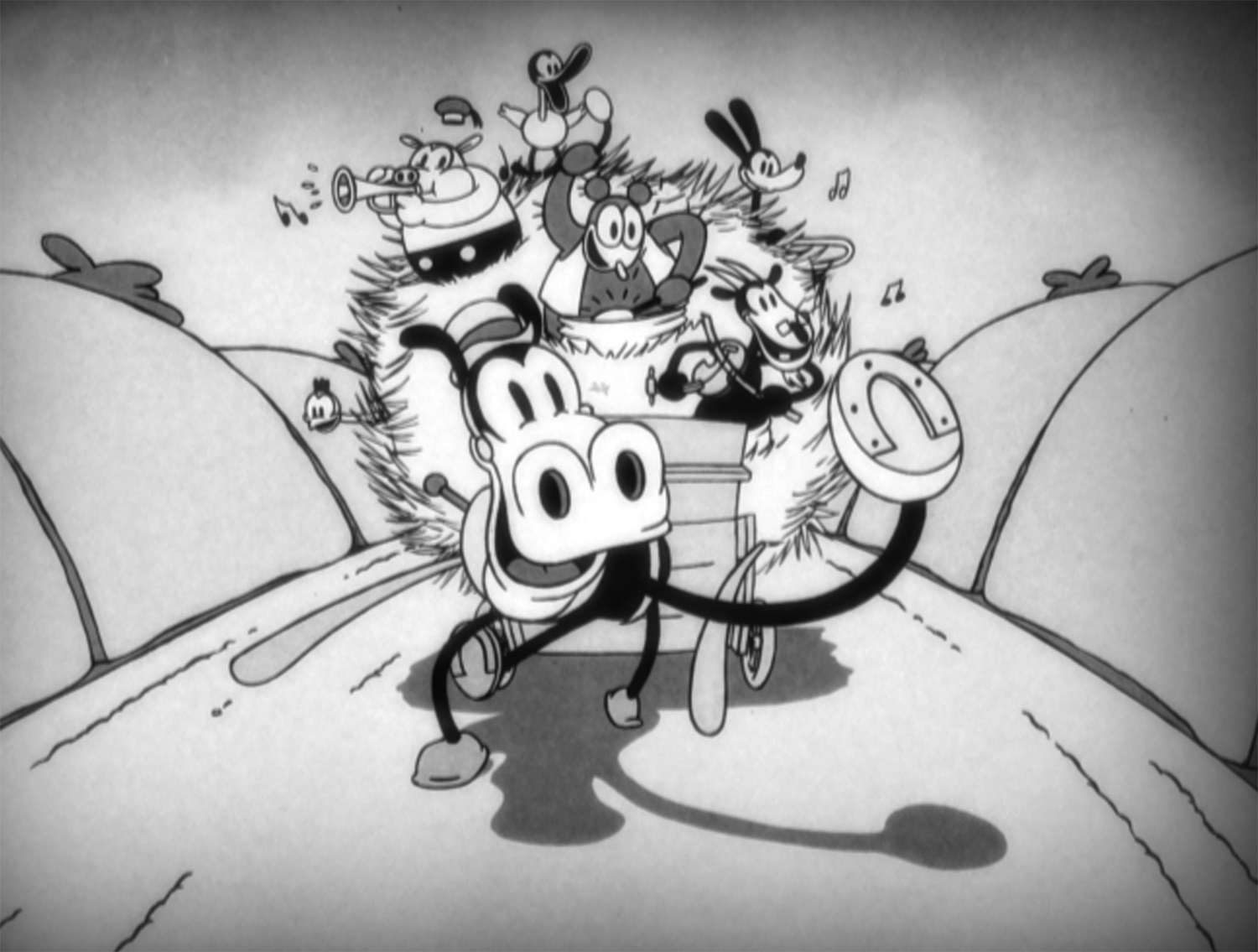
Animation has always been a dance between human beings and the tools we use to create artwork that tells a story.
We want to believe the old days were just somehow better. That it used to just be as simple as someone with a pencil flipping pieces of paper or celluloid. While it is truly mesmerizing the level of skill it takes to animate 100% by hand, you must remember what was really going on: wild workers’ rights issues, factory-like studios, and a history of using animation to dress up some deeply troubling ideas.
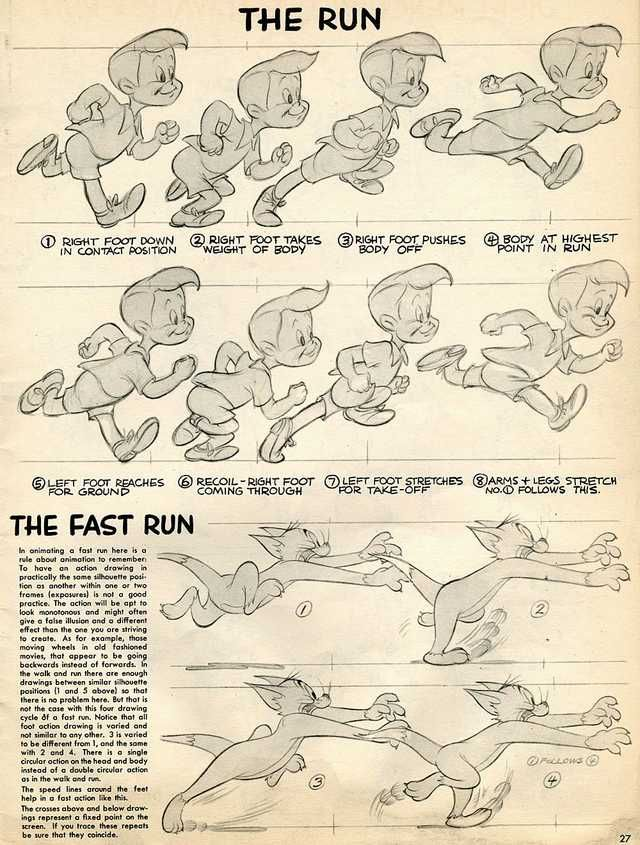
In modern times we’ve debated the role of computers in art since they were introduced to the masses. The technology is moving so quickly that “animation,” “live action,” and “artificial intelligence” are starting to look less like separate categories and more like unlikely bedfellows who tend to piss off their lovers.
But the tools that make animation possible have never stopped evolving. Every increase in processing power has changed how artists draw, render, store, move, and reuse information. Entire pipelines have been rebuilt around new ways of handling data and digital assets. Most of us in the audience didn’t know, let alone care how any of that worked. We just felt the results.
Sometimes those results looked like Simba’s strangely dead eyes in Disney’s “live-action” The Lion King. Other times it’s finding out that in order to achieve the beauty of Life of Pi the VFX company had to bid so low it went bankrupt like many MANY animation and FX companies have had to do in the years since.
In the case of The Lion King, it was marketed as live action, but almost everything we saw was created digitally. It was animation performing live action so convincingly that the distinction began to feel almost useless. Almost.
But those awful dead eyes. They just didn’t feel real. The critics weren’t too thrilled either.
The problem is that I’m not sure we can always explain where that line is. Is it movement? Authorship? Consent? Labor? Intention? Does animation stop being animation when its goal is to hide all evidence of the animator? Are we about to Occam’s-razor ourselves into a world where “animation” and “live action” lose their meaning entirely? Is it worth it to push people into working in slave conditions just to preserve human artistic merit? Is it human artistic merit when it’s really writing code?
And so here we are. The age of AI is upon us whether we like it or not.
Is there any use of AI in animation that we would consider acceptable? Could it organize assets, clean up frames, generate in-betweens, assist with lip-sync, test lighting, restore damaged footage, or speed up rendering? Should it? What if it were a closed-loop system trained only on work the artists and studio owned or explicitly agreed to contribute? What if an adult performer could be transformed into a child, allowing filmmakers to tell certain stories without placing an actual child in a difficult or exploitative environment?
Or maybe none of this should exist. Is the use of AI itself the line full stop? What does that even mean from a technical standpoint?
Artists have heard some version of this panic before. Painting survived photography. Storytelling survived the printing press. Animation survived computers. But “something similar happened before” is not proof that everything will work out fine this time. The scale is different. The speed is different. The questions of consent, employment, ownership, energy, water, and whose work was swallowed to build these systems are very real.
Still, I don’t think an Amish approach to art is the answer either. If we reject every tool capable of changing the creative process, where exactly are we supposed to stop? Before computer animation? Before cameras? Before the printing press? Before we started writing stories down at all?
Maybe the art of storytelling has always belonged partly to the tool. I suppose. However, the responsibility for the story still belongs to the teller.
Below, I’m sharing animation made by human artists alongside animation made with AI. I would love to know your thoughts. Does knowing how something was made change how you feel about it?
Is there any acceptable use of AI in the animation pipeline?
Truthfully, I’m not sure anymore.
What I do know is that there is a lot happening at once. There is a TON of animated AI slop flooding the zone. Production schedules are shrinking, costs are dropping, and artist-centered jobs seem to be evaporating. The platforms capable of distributing all this work at scale are boiling down to a powerful handful. The AI water is dirty. The AI electricity bills are exorbitant. The AI noise pollution is inhumane.
But artists who don’t know the fancy software (or could never afford an entire studio) are also using plugins and simpler tools to bring ideas to life that might otherwise have stayed trapped inside their heads. I guess. And masterful artists who DO know how to run massive production tools in ways that leapfrog a lot of the logistical human hurdles that sometimes stymied their progress.
So, is technology expanding animation or smooshening it?
Is it opening the medium to more storytellers, or flattening their work into the same algorithmically generated sameness? Is it blurring the boundaries between animation, live action, and AI because those categories were always a little flimsy? Or because something meaningful is being erased?
What do we actually want to protect? The finished art, the artist’s livelihood, the creative process, or all three? What are we willing to let technology expand? And what are we unwilling to let it smoosh*?
And perhaps most importantly: who gets to draw the line?
We should probably decide soon, because the techno-overlords who don’t care about art are working very hard to decide for us.
*But let’s please all agree that saving the Earth trumps all of this.
Discussion:
AI v Humans. Let’s look at the difference.
Can you tell which one is which? How? Why? Does this bother you?